
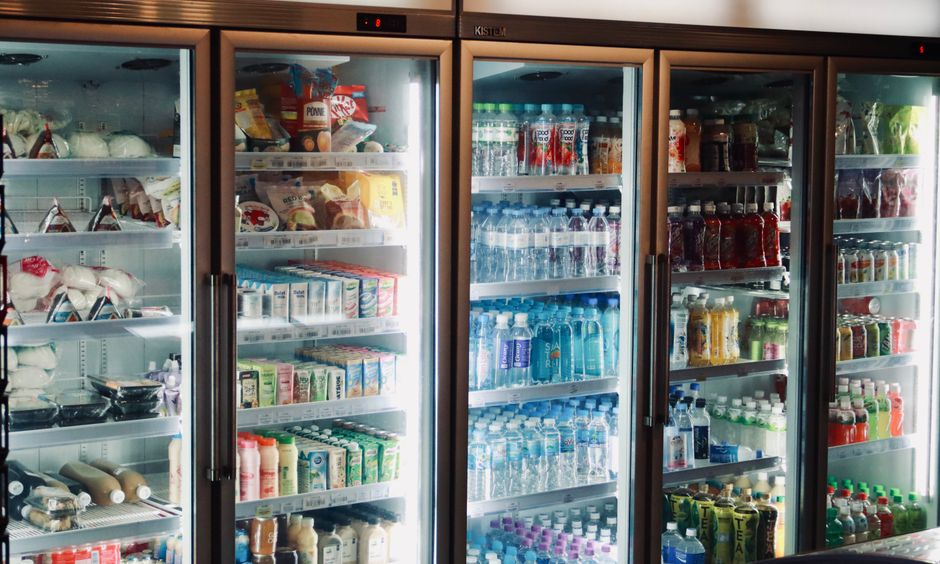
 Photo from Pexels
Originally Posted On: https://leadingedgemech.net/the-cost-of-short-cycling-in-commercial-refrigeration-systems/
Overview
Short-cycling is one of those issues in commercial refrigeration that often goes unnoticed—until it starts costing you, that is. Understanding the real impact can help prevent expensive repairs, avoid unexpected downtime, and extend the life of your equipment. This blog post from Leading Edge Mechanical Inc breaks down what short-cycling is, why it happens, and the serious damage it can cause to your refrigeration system, electrical setup, and bottom line.
Highlights
- What short-cycling is in commercial refrigeration
- Why short-cycling hurts more than you think
- Signs your system is short-cycling
- What causes short-cycling in commercial systems
- The long-term payoff of solving short-cycling
Introduction
If you’re running a grocery store, food production facility, or any business that depends on cold storage, you depend on your refrigeration equipment. What does it mean when your system falls victim to short-cycling?
At first, it may seem like a harmless hiccup. The system starts, cools, stops, then repeats. But over time, this repetitive cycling can strain the most vital components of your refrigeration infrastructure. The results? Higher energy bills, failing compressors, frequent service calls, and worst of all, downtime that puts inventory and operations at risk.
In this blog post, we’ll take a closer look at what short-cycling is really doing behind the scenes and what you can do to stop it. Read at your leisure, and be sure to reach out to Leading Edge Mechanical Inc if you have any questions.
What Is Short-Cycling in Commercial Refrigeration?
Short-cycling is a condition where your compressor starts up, runs briefly, shuts down, and then restarts again within a short period—sometimes in just a few minutes. This constant cycling is the opposite of how a system is designed to run. Refrigeration units should operate in longer, steady cycles to maintain internal temperatures efficiently.
There are several reasons short-cycling might occur, such as:
- Improper thermostat placement or calibration
- Oversized or mismatched equipment
- Refrigerant leaks or low refrigerant levels
- Electrical faults or sensor issues
- Clogged air filters or blocked airflow
Each cause puts strain on different parts of the system, but they all lead to the same outcome: a system that’s running more than necessary and getting less done each time.
The Compressor Takes the First Hit
Compressors are built to handle on-off cycles, but only to a point. Each time a compressor starts, it experiences a surge of electrical and mechanical stress. When this happens several times an hour, the wear compounds fast.
Short-cycling robs the compressor of the time it needs to complete a cooling cycle. Without enough runtime, oil doesn’t circulate properly. Refrigerant doesn’t move through the system in the way it should. Over time, this leads to overheating, pressure imbalances, and eventually burnout.
Replacing a compressor can be one of the most expensive repairs you’ll face in a refrigeration system. Even before failure, frequent service calls and patch fixes start to chip away at your maintenance budget.
Electrical Systems Feel the Strain
Each compressor startup pulls a large inrush of electrical current. With short-cycling, these inrushes happen too often. The result? Increased load on electrical components like contactors, relays, capacitors, and breakers.
It’s not just the hardware either. Your utility bills may start creeping up. While a short-cycling unit uses less power per cycle, it uses more energy overall because it never gets to run efficiently.
Premature Failure Across the System
Short-cycling is often a symptom of larger issues, but it can also be the cause of new ones.
Left unchecked, it leads to:
- Reduced refrigerant pressure balance
- Poor humidity control
- Ice buildup on coils and evaporators
- Compressor overheating and eventual failure
- Sensor faults or misreadings
None of these effects are isolated. A short-cycling compressor could trigger a chain reaction, impacting airflow, defrost cycles, and cooling capacity. That’s why addressing the root cause early is so important.
Why Does Short-Cycling Hurt More Than You Think?
Short-cycling can quietly drain your budget. It doesn’t always show up as a dramatic failure, but the long-term effects are costly and cumulative. If your commercial refrigeration system is short-cycling, here’s how it can affect your bottom line in more ways than one.
Accelerated Wear and Tear
Every time your refrigeration system powers on and off too frequently, it adds strain to vital components, especially the compressor and electrical controls. These parts aren’t meant to handle constant cycling. Over time, this leads to faster degradation and more frequent breakdowns. What might have lasted years under normal conditions could burn out much sooner, pushing up maintenance costs.
Shortened Equipment Lifespan
Short-cycling doesn’t just damage individual parts. It affects the whole system. Compressors fail prematurely, control boards malfunction, and even wiring can become compromised. That often leads to replacing entire units far earlier than planned. Instead of getting a full return on your investment, you’re forced into major capital expenses ahead of schedule.
Rising Energy Bills
One of the sneakier costs of short-cycling is energy inefficiency. Starting up a refrigeration cycle draws more power than steady-state operation. When your system starts and stops too frequently, it never reaches optimal efficiency.
This leads to spikes in energy use—and those spikes add up fast over the course of a billing cycle.
Risk to Perishable Inventory
Temperature fluctuations caused by short-cycling can compromise product integrity. In industries where temperature control is critical (like food service, healthcare, and floristry), even a few degrees of inconsistency can mean spoilage or safety issues. If inventory is compromised, the financial hit can be immediate and substantial.
Unexpected Downtime
Short-cycling increases the likelihood of unexpected shutdowns. A compressor that’s constantly straining is much more likely to overheat or seize. When your system goes down, so does your operation. Emergency service calls, lost sales, and time spent waiting for parts all translate into lost revenue.
What Are Signs Your System Is Short-Cycling?
Short-cycling isn’t always easy to spot, especially in busy commercial or industrial settings. Many business owners only realize there’s a problem when their equipment fails. But if you know what to look for, you can catch it sooner.
Common signs include:
- The compressor starts and stops frequently, sometimes every few minutes
- Your building’s power bills have increased without a clear reason
- Inventory is spoiling faster or temperatures fluctuate unexpectedly
- You hear clicking or humming more often than usual
- Service panels show compressor or control faults
If your team notices any of these symptoms, it’s time for a thorough inspection.
What Causes Short-Cycling in Commercial Systems?
While residential systems may short-cycle due to a bad thermostat or dirty filter, commercial and industrial setups are more complex. Short-cycling can result from a single failure or a combination of small issues.
Some of the most common culprits include:
- Oversized equipment: If your refrigeration system is too powerful for the space it’s cooling, it may hit the desired temperature too quickly and shut off before completing a full cycle. This leads to repeated starts and stops throughout the day.
- Low refrigerant levels: When refrigerant is low, the system can’t maintain pressure correctly. It starts, senses a fault, and shuts off prematurely—then tries again.
- Thermostat problems: Faulty or poorly calibrated thermostats may signal the compressor to shut off too soon, or restart too quickly.
- Airflow obstructions: Blocked vents or clogged filters reduce airflow across coils. This can cause components to overheat or freeze, disrupting normal cycles.
- Electrical faults: Failing relays, capacitors, or control boards may trigger erratic operation, including rapid cycling.
What Is the Long-Term Payoff of Solving Short-Cycling?
Fixing short-cycling might not feel urgent at first, especially if your refrigeration system still seems to be doing its job. But once you make the adjustments—whether it’s a control recalibration, component upgrade, or something more technical—the benefits start showing up quickly. The system runs quieter. It maintains temperature more consistently. Your energy bills level out. Repairs become less frequent.
What’s really happening behind the scenes is that your equipment is finally allowed to operate as it was designed to. Components last longer because they’re not being pushed to the brink. Refrigeration cycles become smoother and more efficient.
That means fewer surprises, fewer after-hours service calls, and fewer frustrating headaches for your team.
Regain Control of Operations
It also puts you back in control of your operation. When systems behave predictably, planning becomes easier. You can schedule maintenance, track performance, and feel confident your inventory is protected, whether that’s a cooler full of fresh produce or temperature-sensitive pharmaceuticals.
Added Peace of Mind
Beyond all of that, there’s a peace of mind that comes with knowing you’re not silently bleeding money through a problem that’s both preventable and fixable. Investing in the solution now means actually building a stronger, more resilient foundation for your business.
Put a Stop to Short-Cycling Today
Short-cycling is a silent killer in commercial refrigeration systems. While it might seem like a minor annoyance, it signals deeper problems and leads to some of the costliest repairs in the industry. Business owners and facilities managers need to understand the hidden costs involved.
Call Leading Edge Mechanical Inc at (218) 237-5125 if your refrigeration system is showing signs of trouble, or you simply want to optimize its performance, our technicians are ready to help.